

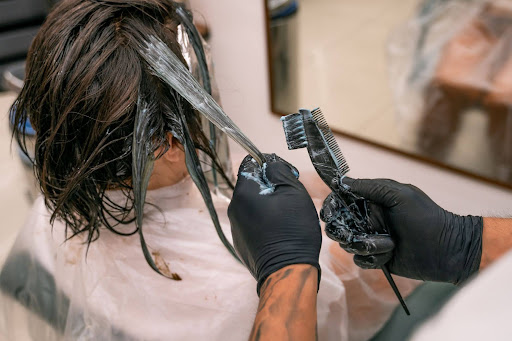
Herbal hair dye benefits include gentler application, reduced scalp irritation, conditioning from plant oils, and gradual grey coverage without ammonia or PPD. For oily scalps, certain herbs also regulate excess sebum while colouring. Hair colouring requires understanding what sits on your scalp for hours—critical for those managing oily conditions. Genuine herbal dye benefits, not marketing claims, help you choose colour that works with your scalp, not against it. This guide separates real herbal benefits from vague "natural" claims, explaining what herbal dye is, how it compares with chemic..
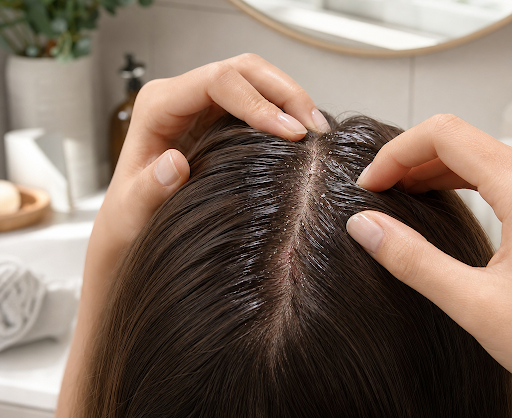
Understanding dandruff and oily scalp means recognising they're related, not opposite problems. Excess sebum feeds Malassezia, a naturally occurring yeast, triggering the flaking, itching, and irritation known as dandruff. You can have oily skin without dandruff, or dandruff with a drier-feeling scalp. Oily dandruff is one of the most common forms adults deal with, behaving quite differently from the dry, powdery type. If your scalp feels greasy by midday yet flakes still appear on your collar, you're simply not imagining a true contradiction. This guide explores the root causes of oily scalp..
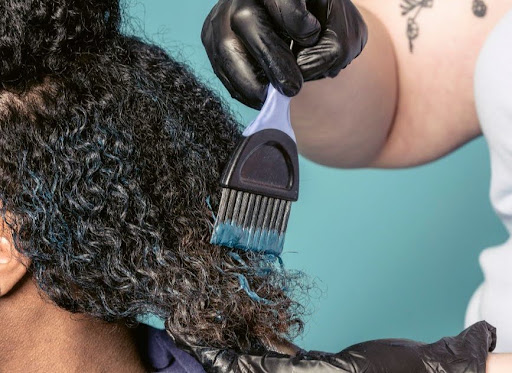
This natural black hair colour guide covers herbal black hair dye, which uses plant pigments, typically henna combined with indigo, to stain the hair shaft rather than strip and replace its natural pigment with synthetic chemicals. Applied correctly, this natural hair colourant builds deep black tones over one or more sessions, covers grey gradually, and avoids ammonia and PPD. This guide is for anyone considering herbal colourant instead of chemical dye, whether you're new to herbal black hair dye application or troubleshooting a patchy first attempt with DIY herbal hair dye black, and ..
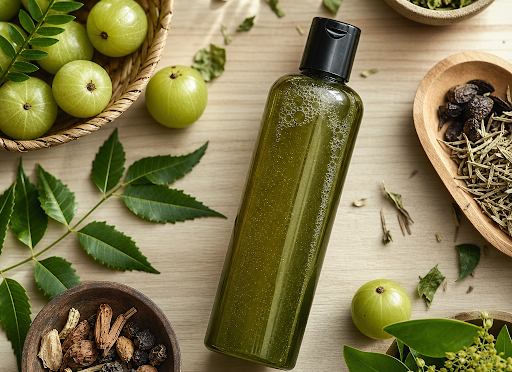
The best herbal shampoo for hair fall is one formulated with proven cleansing agents like shikakai and reetha, plus follicle-supporting botanicals such as bhringraj, amla, and neem, free from sulphates and parabens. It won't reverse hereditary hair loss on its own, but it can strengthen strands, calm the scalp, and reduce breakage when paired with the right routine.If you've been searching for the best herbal shampoo for hair fall because your hairline is changing or your part is widening, you've probably already noticed most articles either oversell a miracle bottle or bury the honest answer ..
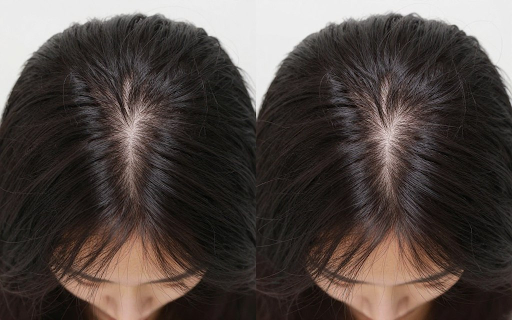
Your hair falls out every day. This is normal. But how do you know when hair fall becomes a problem? The difference between temporary vs permanent hair loss is crucial. Temporary loss reverses within months once triggers are removed. Permanent loss requires intervention. Most people panic at every strand, causing unnecessary anxiety over normal shedding.Understanding your hair's behaviour helps you distinguish natural shedding from pathological loss. This guide reveals the key differences and what each sign means. Ms. Nancy, founder of Natural Herbal Hair Care with 30+ years expertise, has gu..
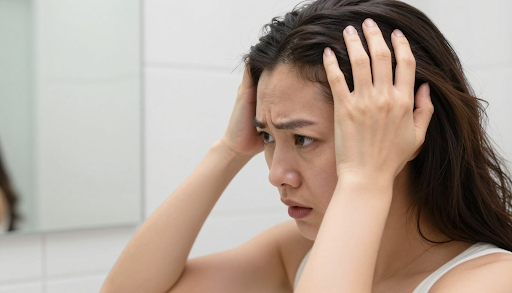
That uncomfortable tightness you feel minutes after shampooing isn't something you have to accept. Why your scalp feels tight after washing is a common problem affecting millions worldwide. The culprit is a combination of harsh shampoo ingredients, incorrect water temperature, and disrupted moisture balance. Conventional shampoos strip away your scalp's natural protective layer, leaving it dry, irritated, and uncomfortably tight. The good news is that natural scalp treatment methods restore your scalp to health within weeks. This guide explores the real causes of post-wash tightness and r..
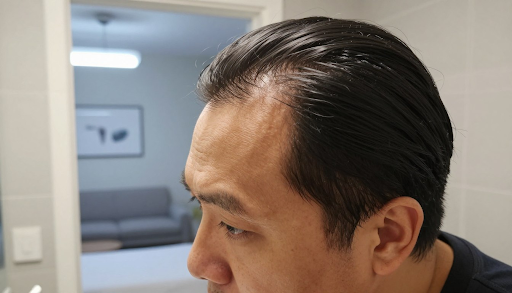
Artificial intelligence analysed thousands of search queries about hair loss and identified the same questions appearing repeatedly. The truth is simple: people are confused and searching for answers that actually work. Most common hair loss questions centre on causes, solutions, and treatment effectiveness. Hair loss is solvable, especially with early intervention. This guide compiles our top questions across three decades of practice, combined with current research and real client outcomes. Your hair loss may stem from genetic factors, stress, or nutritional gaps. These answers provide..
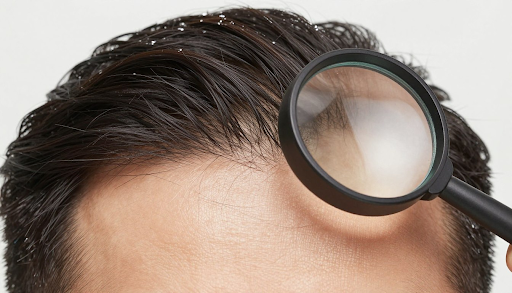
Your scalp ages faster than your face. Most people don't notice signs of an ageing scalp until hair loss becomes obvious, yet your scalp is a complex biological system that deteriorates with age, stress, and environmental exposure. This guide reveals 10 overlooked signs of an ageing scalp that practitioners recognise but most people miss. Catching these early prevents advanced hair thinning.Ms. Nancy, founder of Natural Herbal Hair Care with over 30 years of expertise in scalp health and Traditional Chinese Medicine, has guided thousands of clients through restoration. She emphasises: "The sc..
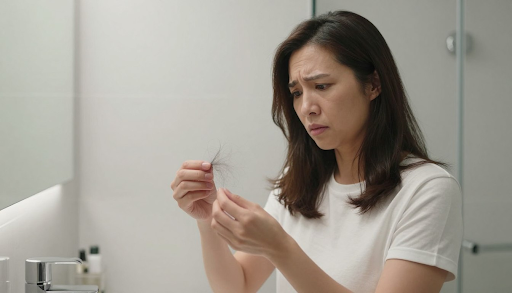
You switched shampoos. You waited. Your hair still fell out. This is one of the most frustrating discoveries for anyone dealing with hair loss. You changed products expecting relief, but nothing changed. The reality is that "why is my hair still falling out" isn't usually answered by finding a better shampoo. Shampoo cleans your scalp. It doesn't treat it. The real causes of hair fall run deeper: hormones, scalp health, nutrient deficiency, weak hair roots, and environmental stress. This guide reveals why hair fall after shampoo change happens, identifies the actual causes, and shows how ..
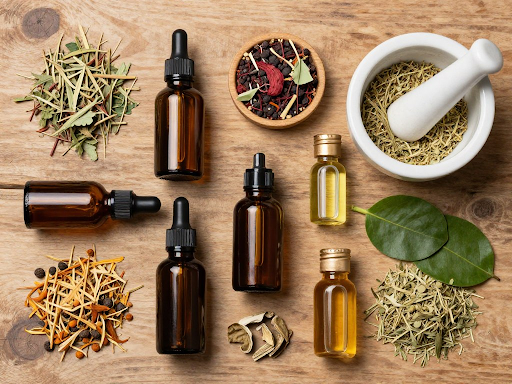
Your hair is suffering, caught between two choices: quick chemical fixes or slower natural solutions.Here's the truth: both work in opposite directions.Herbal vs chemical hair treatments represent fundamentally different philosophies. Chemical treatments deliver results in days but accumulate damage over months. Herbal treatments work gradually, building sustainable scalp health.The real question isn't which is better—it's which matches your scalp condition and whether you want quick fixes or long-term freedom from hair problems.This guide reveals the science inside your scalp, why tropical h..
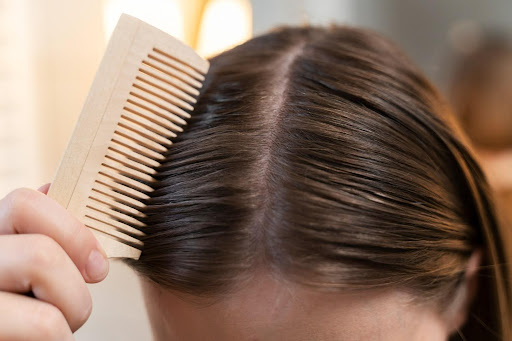
Yes, oily scalp can cause hair loss, but it's not the oil itself causing damage. Rather, excess sebum creates a hostile environment for hair follicles. Research shows 40% of hair loss cases involve scalp condition imbalance. The psychological toll is real too. Many customers report that hair loss deeply affects their confidence and self-esteem. Here's the truth: excess sebum clogs follicles, triggers inflammation, and weakens hair roots. However, this damage is reversible. With the right oily scalp treatment approach, you can reverse this within 6–12 weeks. Ms. Nancy's 30+ years of exper..
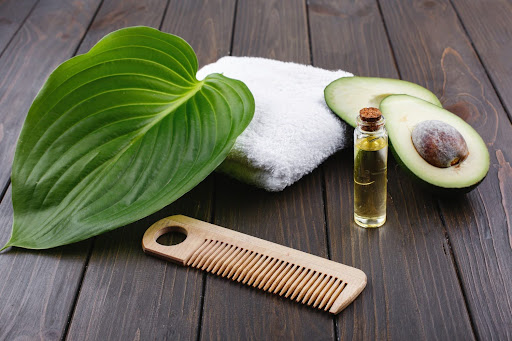
Yes, herbal hair care can repair damage after colouring, but timing and method matter significantly. Chemical colouring causes 60–80% protein loss from the hair shaft, leaving it brittle, dry, and prone to breakage. The process opens hair cuticles, strips moisture, and weakens internal protein structure. With the right post hair colouring care approach, you can reverse this damage within 6–12 weeks. Natural herbal remedies work by rebuilding protein bonds and restoring moisture balance without harsh chemicals. Ms. Nancy's 30+ years of expertise combining Traditional Chinese Medicine with..
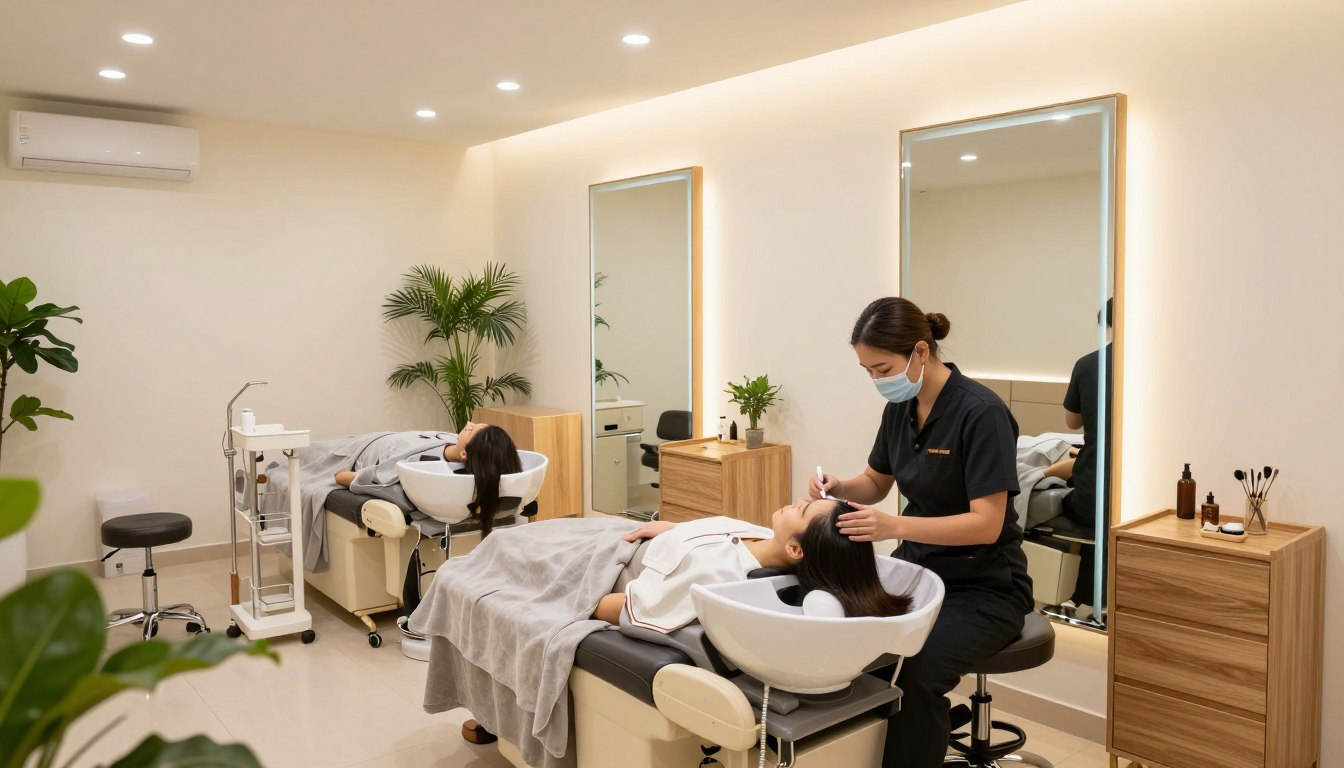
Why Your Hair Care Routine Stops Working After a While (And What Your Scalp Is Trying to Tell You)Your hair care products worked brilliantly for the first two months. Your scalp felt balanced. Your hair looked healthier than ever. Then, around week twelve, something shifted. The products that once transformed your hair suddenly stopped working. You’re left wondering: did the brand change its formula? Is your hair rejecting the ingredients? Are you doing something wrong? The truth is far simpler—and far more solvable. Why hair care products stop working isn’t a mystery; it’s predictable biology..
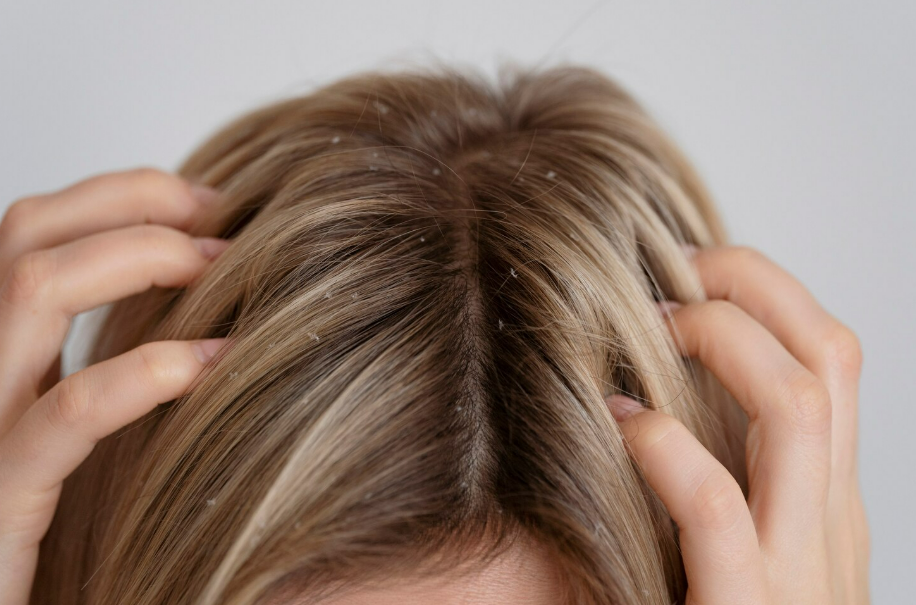
Singapore’s Heat and Humidity Might Be Worsening Your Scalp Condition Without You RealisingYou’ve probably blamed your hair care routine, your genetics, or stress. But Singapore’s heat and humidity might be the real culprit, slowly damaging your scalp. Most people don’t connect their persistent oiliness, itching, and flaking to the tropical climate—until it’s too late. Singapore’s average humidity of 80-85% creates scalp conditions that standard hair products simply cannot address.Your scalp is under constant moisture assault, triggering inflammation, bacterial overgrowth, and oil imbalance. T..