





Why More People Are Experiencing Hair Thinning in 2026 (Even in Their 20s and 30s)
 Jun 25, 2026
Why More People Are Experiencing Hair Thinning in 2026 (Even in Their 20s and 30s)
Understanding Hair Thinning Causes Singapore Residents Experience at Younger Ages
This guide explains the local contributors to earlier hair loss and offers practical, evidence-based steps to protect your follicles and support hair growth. If you’re concerned, consider a professional scalp assessment and basic blood tests (iron and vitamin D) as initial, informative steps.
Key Takeaways
- Singapore’s high humidity, together with frequent air-conditioning, can create scalp environments that increase follicle stress and encourage premature shedding
- Local dietary patterns that favour refined carbohydrates and processed foods can produce nutritional gaps (notably iron and vitamin D), which affect hair structure and growth cycles
- Long working hours and sustained professional pressure raise cortisol levels, pushing hair follicles into premature resting phases and producing noticeable hair loss within months for many people
- Genetic susceptibility — including patterns of androgenetic alopecia — often becomes obvious sooner when combined with environmental and lifestyle stressors common in Singapore
- Addressing the specific local causes (scalp environment, nutrition, stress, and genetics) with targeted intervention gives the best chance of stabilising loss and supporting regrowth
How Singapore’s Work Culture Accelerates Hair Loss

Professional Pressure and Extended Hours
Long working hours and professional stress are prevalent in Singapore, leading to increased cortisol levels that can affect hair follicles. This stress can cause premature shifts from the growth phase (anagen) to the resting phase (telogen), resulting in noticeable hair loss months later.
Unlike genetic hair loss, this stress-related thinning is uniform across the scalp. Regrowth often resumes once stressors are alleviated and normal follicle cycling is restored.
Digital Overexposure and Sleep Disruption
Excessive screen time and inadequate sleep hinder the restorative processes vital for scalp health and hair growth. Disrupted sleep patterns compromise cellular repair and growth hormone release necessary for follicle regeneration.
In Singapore’s late-night work culture, sleep disturbances can lead to ongoing hair loss unless sleep hygiene and stress management are prioritized.
Workplace Stress Indicators
- Noticeable increase in daily hair shedding during high-pressure projects
- Diffuse thinning without distinct bald patches
- Reduced hair density across the entire scalp
- Scalp tension or occasional tenderness
- Hair feels finer and more fragile
- Slower regrowth after shedding episodes
Nutritional Gaps in Singapore Diets Affecting Hair Health

1. Fast Food Culture and Nutrient Deficiencies
Singapore’s hawker scene offers convenience, but many dishes prioritize refined carbs and fats over essential proteins and micronutrients. Hair health relies on adequate nutrition; low protein intake can weaken hair and increase shedding.
Micronutrients like iron are crucial for scalp health, with deficiencies common among women in Singapore, leading to reduced oxygen delivery to hair follicles and thinning. A ferritin test can help identify any issues with sustained shedding.
2. Vitamin D Deficiency Despite Tropical Location
In Singapore, despite being near the equator, many experience vitamin D deficiency due to limited sun exposure from indoor work and air conditioning. Vitamin D is crucial for hair health, as it regulates the hair cycle; low levels can lead to increased shedding. A blood test for 25-hydroxyvitamin D can confirm deficiency, and supplementation can help.
| Nutrient | Hair Function | Singapore Deficiency Risk | Local Food Sources |
|---|---|---|---|
| Protein | Keratin formation | Higher with rice/noodle-heavy meals | Fish soup, chicken rice, tofu, eggs |
| Iron | Oxygen transport | Common in women, vegetarians | Red meat, leafy greens, lentils |
| Zinc | Cell repair | Moderate with processed diets | Shellfish, seeds, legumes |
| Vitamin D | Follicle regulation | Significant despite the climate | Fatty fish, fortified milk |
| B-Complex | Energy metabolism | Moderate with refined carbs | Whole grains, lean meats |
| Omega-3 | Inflammation control | Higher with fried foods | Salmon, chia seeds |
To enhance hair health, incorporate protein with meals, add leafy vegetables for iron and zinc, and include fatty fish or omega-3 sources. If dietary adjustments are challenging, consider testing and targeted supplementation with a healthcare provider.
Addressing nutritional gaps is vital for scalp health and hair growth; ongoing thinning should prompt a professional evaluation for other potential causes.
Singapore’s Tropical Climate and Environmental Factors
Humidity Effects on Scalp Conditions
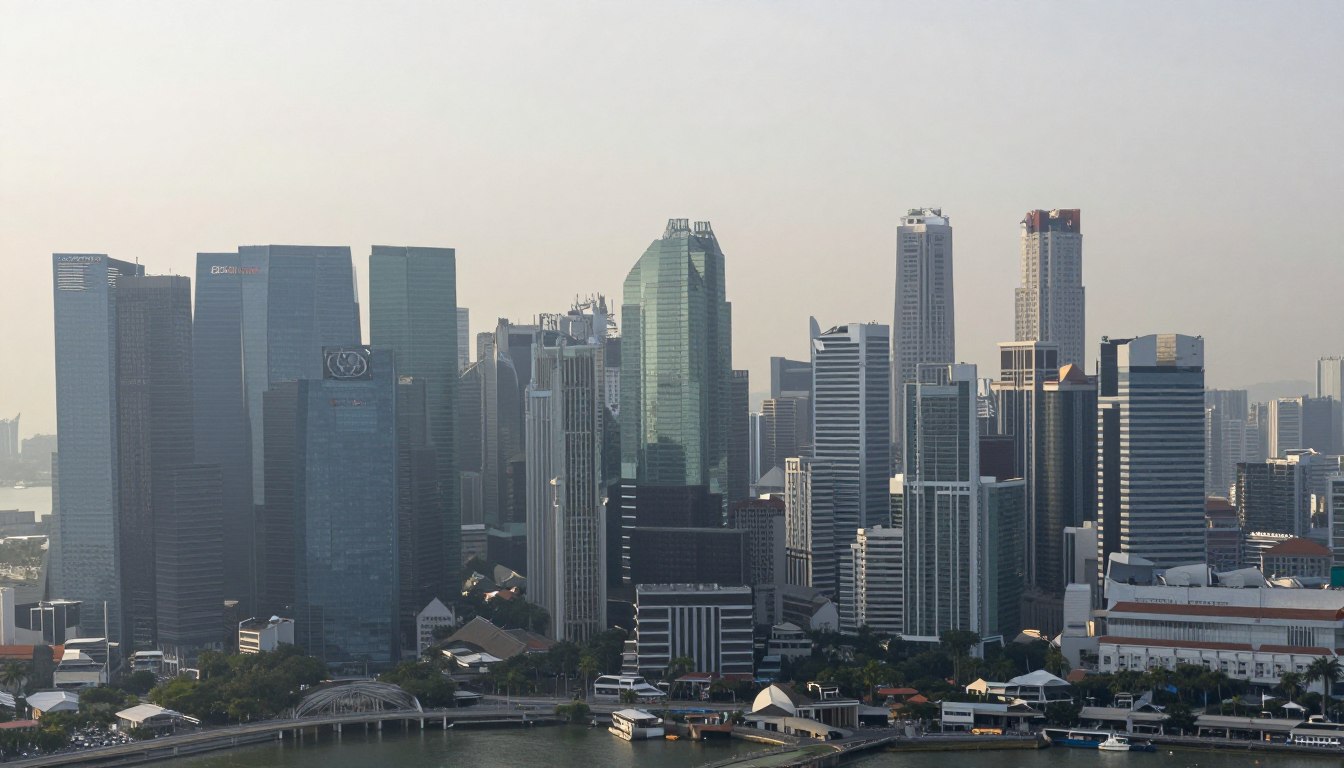
Singapore’s high humidity promotes fungal and bacterial growth, increasing the risk of scalp issues like seborrhoeic dermatitis. This persistent moisture disrupts oil balance, causing greasy or dry scalps, both of which can hinder hair growth and lead to breakage.
It’s essential to address underlying scalp issues before starting restoration strategies, as reducing inflammation can improve follicle recovery and hair growth.
Air Conditioning and Temperature Fluctuations
Frequent transitions between humid outdoor conditions and cool indoor air conditioning can stress moisture regulation in the scalp. Air conditioning may dry the scalp, making hair brittle, while alternating humidity levels complicate scalp health maintenance.
Urban Pollution and Particulate Matter
As a densely populated urban area, Singapore faces pollution from traffic and construction, which can settle on the scalp and hair, contributing to product build-up. Research indicates that pollution exposure can degrade hair quality and lead to increased hair loss due to oxidative stress on follicles.
Climate-Related Scalp Issues
- Persistent scalp oiliness
- Fungal or inflammatory conditions
- Increased hair breakage
- Scalp sensitivity or irritation
- Disrupted oil production
- Dull hair appearance
Signs You Should Protect Your Scalp
- Dull hair after outdoor exposure
- Itchy scalp after being outside
- Increased breakage
- Visible scalp residue
- Quick return of oiliness
- Frequent dandruff despite cleansing
Protecting Your Scalp in Singapore’s Climate
To mitigate climate-related risks, use gentle, pH-balanced cleansers to remove pollutants without stripping oils; consider anti-dandruff shampoos for fungal issues (consult a doctor first); opt for lightweight conditioners for mid-shaft hydration; and rinse hair after exposure to pollution.
If using herbal treatments, ensure they complement medical care for inflammatory conditions. Seek a dermatologist for persistent inflammation, increased shedding, or signs of infection.
Learn about our climate-adapted scalp treatments
Genetic Predisposition and Hormonal Influences in Singapore
Androgenetic Alopecia Presenting Earlier
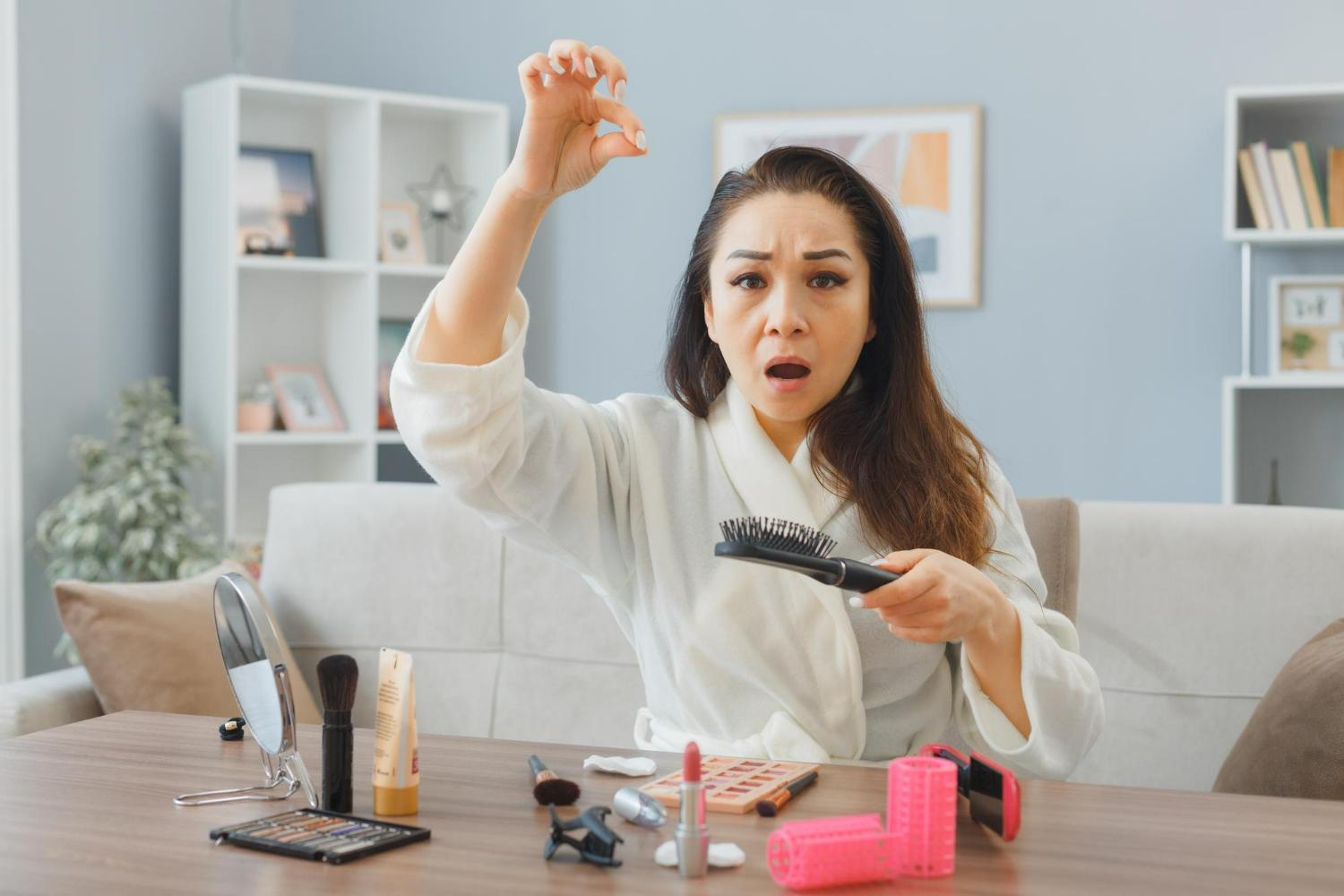
Androgenetic alopecia is the most common hereditary hair loss affecting both genders. While genetics play a key role, local factors in Singapore can hasten visible thinning. Dihydrotestosterone (DHT) gradually miniaturises hair follicles, resulting in typical baldness patterns.
Men often see recession at the temples and crown, whereas women typically experience diffuse thinning. These changes can begin in the twenties, underscoring the importance of early assessment.
Differences in hair characteristics among Singapore’s population require customized treatment plans from knowledgeable clinicians.
Hormonal Imbalances Beyond Genetics
Hair loss isn’t solely genetic. Conditions like thyroid disease can disrupt hair growth, while polycystic ovary syndrome (PCOS) can lead to scalp thinning in women. Pregnancy and postpartum hormonal shifts may also result in temporary hair loss.
Recognising Different Loss Patterns
- Male pattern androgenetic alopecia: Recession at the temples and thinning at the crown.
- Female pattern androgenetic alopecia: Diffuse thinning with a wider central part; frontal hairline often preserved.
- Alopecia areata: Sudden bald patches requiring specialist assessment.
- Telogen effluvium: Shedding after stress or illness, usually reversible.
Read How Herbal Shampoo Can Help Combat Hair Fall with Natural Ingredients
Safe, Evidence-Based Support for Hormonal Factors
While genetic factors can’t be altered, treatments like topical minoxidil and oral finasteride can slow hair loss and promote growth. Some botanical agents show promise, but evidence is limited. It’s essential to have a structured assessment and discuss any supplements with a qualified practitioner to ensure safe treatment.
Medical Conditions and Medications Contributing to Hair Loss

Autoimmune Conditions Affecting Follicles
Alopecia areata is an autoimmune condition where the immune system attacks hair follicles, leading to sudden bald patches. Some patients may experience regrowth, while others may have multiple patches or more extensive loss. A dermatological assessment is crucial for diagnosis and treatment.
Other autoimmune diseases, such as lupus and Hashimoto’s thyroiditis, can also cause hair thinning by increasing inflammation or disrupting nutrient support to follicles. Managing these underlying conditions is essential for addressing hair loss.
Medications With Hair Loss Side Effects
Many medications can lead to hair thinning or shedding, including blood thinners, antidepressants, and hormonal treatments. If you suspect a medication is causing hair loss, consult your doctor before making any changes.
When Professional Assessment Becomes Essential
- Sudden bald patches or rapid loss
- Hair loss with scalp pain
- Signs of autoimmune issues
- Thinning despite lifestyle changes
- New loss after medication changes
- Systemic symptoms indicating endocrine issues
Indicators of Reversible Temporary Loss
- Increased shedding after stress
- Changes to hormonal contraception
- Postpartum shedding
- Hair loss from rapid weight loss
- Seasonal shedding variations
- Temporary increase during stress
Consultation with a dermatologist typically includes a scalp exam and blood tests to identify the causes of hair loss. Early assessment can distinguish between reversible and progressive hair loss.
Combine conventional treatments with evidence-based complementary approaches under supervision. Collaborate with your doctor and hair specialist to manage medications and create a personalized restoration plan.
Early Hair Thinning Treatment and Prevention for Singapore Residents
Why Timing Matters in Hair Restoration
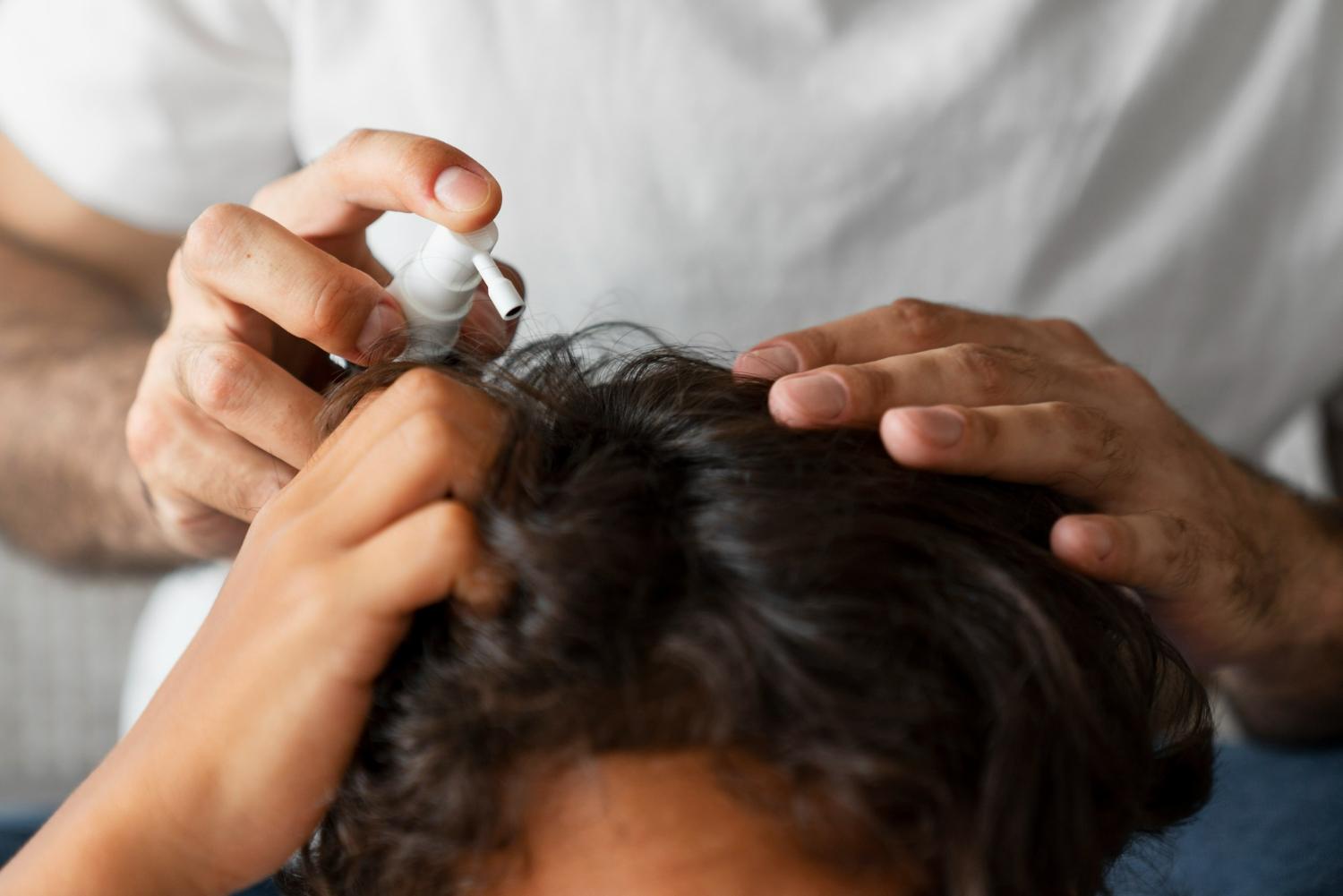
Early intervention is vital, as miniaturised follicles become increasingly difficult to restore. Promptly addressing thinning preserves treatment options and enhances recovery chances.
A timely assessment, including scalp exams and blood tests, helps distinguish reversible causes from progressive miniaturisation, informing a treatment plan for Singapore’s climate.
Factors like humidity and diet can influence genetic risks, necessitating adjustments to treatments from temperate regions.
Herbal and Botanical Solutions for Singapore
Botanical approaches can aid scalp health and hair growth. Oils like rosemary and peppermint may offer minor benefits, while oral botanicals such as saw palmetto may influence androgen pathways, though evidence quality varies.
Consult a medical professional before using herbs, as some may be linked to liver toxicity, especially with other medications.
For best results, start with baseline tests and lifestyle changes before adding treatments, with regular reassessment every three months, as many require time to show results.
Benefits and Role of Botanical Approaches
- Can support scalp health and reduce local inflammation
- May complement proven medical treatments when used under supervision
- Topical botanicals generally have fewer systemic side effects
- Useful as part of long-term maintenance once effective medical control is established
- Should be integrated only after baseline testing and clinician approval
- Best used alongside lifestyle changes (diet, sleep, stress management) to support hair growth
Read How Hair Fall Control Shampoos Help Reduce Hair Thinning and Promote Growth
Addressing Hair Thinning Causes Singapore’s Environment Creates
Local Expertise and Cultural Understanding
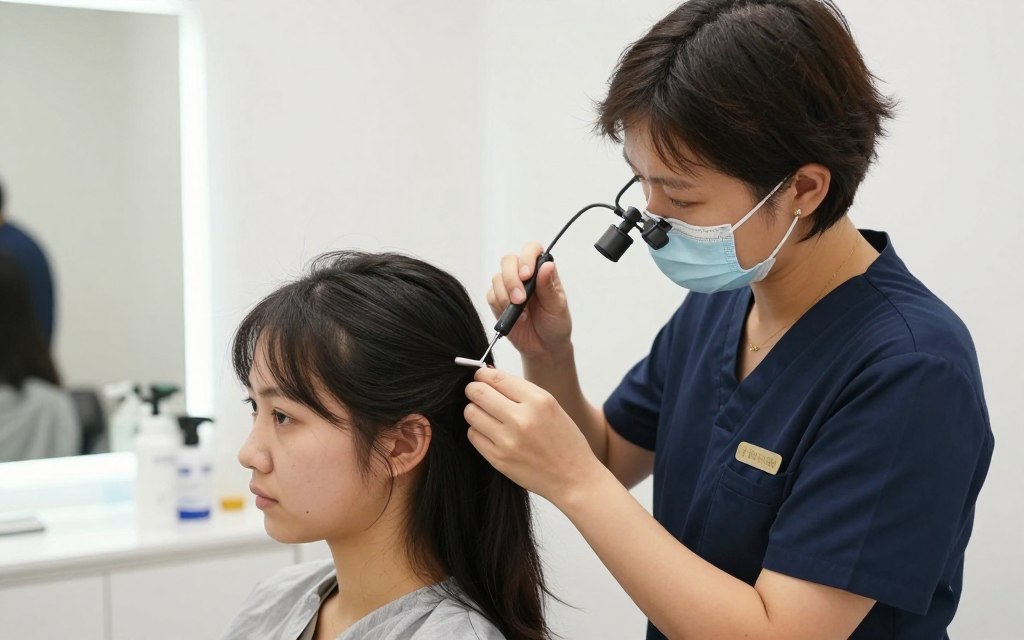
Effective treatment for hair thinning in Singapore requires clinicians familiar with the local climate, diet, and hair type diversity. Asian hair’s unique characteristics necessitate tailored treatment plans.
Cultural preferences play a key role; many residents favor natural remedies alongside conventional methods. Programs that respect these preferences while being clinically effective yield the best results.
Combining Traditional Wisdom With Modern Science
Restoration plans should integrate medical treatments like minoxidil and PRP with natural therapies. Nutrition and stress management can enhance scalp health and support medical interventions.
This holistic approach acknowledges the multifaceted causes of hair loss, promoting better stabilization and potential regrowth.
Selecting Qualified Practitioners
Choose providers with verified credentials and experience. Dermatologists and certified trichologists should perform thorough assessments, including scalp exams and blood tests.
When selecting a clinic, confirm medical credentials and discuss treatment options and costs clearly. Be wary of guarantees without proper evaluations.
When in doubt, seek a second opinion — informed consent and realistic expectations are crucial for effective treatment.
Common Questions About Hair Thinning in Singapore
What causes hair to thin earlier in Singapore compared to other countries?
Local factors such as workplace stress, tropical humidity, urban pollution, and dietary gaps can accelerate hair thinning. Genetic predispositions, like early androgenetic alopecia, combined with these influences, may lead to noticeable thinning sooner than in other regions.
Can stress-related hair loss be reversed with natural treatments?
Yes, addressing the stress trigger can improve stress-related shedding (telogen effluvium). Steps like stress management, better sleep, and scalp care can help, but natural treatments should complement medical advice.
How do I know if my hair loss needs medical treatment or natural remedies?
A professional assessment can determine the cause. Seek immediate medical review for sudden loss, rapid thinning, or other concerning symptoms. Gradual thinning may respond to lifestyle changes and natural treatments alongside medical options.
Take Action Against Hair Thinning Today
If you are noticing thinning, a comprehensive consultation can clarify likely causes and outline suitable treatment options adapted to Singapore’s climate and lifestyle. A clinician-led assessment helps you weigh medical and complementary choices and decide the safest, most effective route for your situation.
- Address: Blk 38 Defu Lane 10, #03-15, Singapore 539215
- Tel: +(65) 6448 3541 Mobile: +(65) 8585 1010
- Email: enquiry@naturalherbalhaircare.com.sg
- Website: www.naturalherbalhaircare.com.sg
- Find us: Our Treatment Location
- Follow us: Facebook | Instagram
