





Hair & Scalp Treatment Guide: 8 Signs Your Scalp Needs Professional Help
 Oct 01, 2026
A scalp treatment is worth considering when flaking, itching, oiliness, or shedding lasts more than two to three weeks, despite changing your shampoo or washing routine. Persistent symptoms usually point to a scalp condition rather than simple dryness. Catching it early makes treatment, whether at home or professional, far more effective.
Most people ignore scalp symptoms until hair starts thinning. By then, a shampoo swap alone is often too late to fix things. This guide covers what causes common scalp problems, eight signs that mean it's time for professional attention, and what happens during a proper scalp assessment.
Key Takeaways
Persistent itching, flaking, or burning for more than two to three weeks usually signals a scalp condition, not just dryness.
A scalp treatment targets the skin and follicles, while a hair treatment mainly repairs strands and texture.
Sudden hair loss in patches, open sores, or spreading redness need medical attention, not home remedies.
Most healthy scalps benefit from a deeper treatment every one to two weeks, but frequency depends on scalp type and condition.
A professional scalp assessment usually includes a visual check, sometimes scalp magnification, and questions about diet, stress, and hair care habits.
How Do I Know If I Need a Scalp Treatment?
You likely need a scalp treatment if you notice ongoing itching, flaking, oiliness, odor, or thinning that doesn't improve after two to three weeks of normal washing. A scalp treatment targets the skin and follicles rather than the hair shaft. Most people with an active concern benefit from a session every one to two weeks until symptoms settle, then monthly for maintenance.
Scalp and hair treatments often get confused because they can happen during the same salon visit. A hair treatment conditions, strengthens, or adds shine to the strands you already have. A scalp treatment works below that. It clears buildup, calms inflammation, and balances oil production so healthier hair can grow.
Frequency depends on what's going on. Someone with an oily, flake-prone scalp may need weekly attention. Mild dryness might only need monthly care alongside a gentler shampoo. Chronic conditions like seborrheic dermatitis or psoriasis need a routine set by a doctor or dermatologist, not a fixed rule.
Key insight: If you can't remember the last time your scalp felt comfortable without a hat or hood covering it, that discomfort has likely been building for months, not days.
What's Really Behind These Scalp Problems
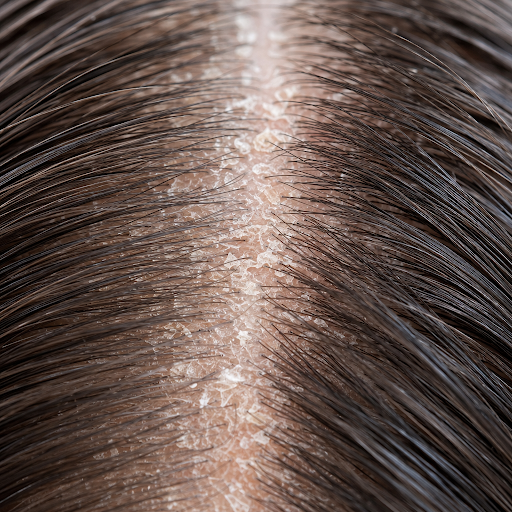
Scalp issues rarely come from one single cause. They usually build from a mix of things happening at once.
Dryness and barrier damage. Harsh shampoos, hot water, and frequent heat styling strip natural oils. This leaves the scalp tight, flaky, and prone to small cracks that itch.
Oil imbalance. Overactive sebaceous glands create excess oil, which traps dead skin cells and can lead to dandruff or seborrheic dermatitis.
Fungal and bacterial activity. A yeast called Malassezia lives on everyone's scalp but overgrows in some people, causing flaking and irritation. Folliculitis, an infection of the hair follicles, can also cause tender bumps and itching.
Product buildup. Styling products, dry shampoo, and conditioner residue accumulate over time. This suffocates follicles and triggers irritation.
Stress and diet. Chronic stress raises cortisol, which has been linked to disrupted hair growth cycles. Diets low in iron, zinc, or essential fatty acids can also weaken the scalp's ability to repair itself.
Treating oily scalp skin the same way you treat dry scalp skin usually makes things worse. Identifying the cause matters.
8 Signs Your Scalp Needs Professional Help
Most minor scalp discomfort resolves with a gentler routine. These eight signs suggest it's time to move beyond home care.
1. Flaking that won't quit
Dandruff shampoos should show improvement within a few weeks. If flakes persist, the cause may need a different approach.
2. Itching that disrupts sleep or focus
Occasional itching is normal. Constant scratching, especially at night, often signals inflammation needing targeted treatment.
3. Visible redness or scaling patches
Red, scaly, or thickened patches can indicate psoriasis or seborrheic dermatitis, both of which respond better to medicated care than over-the-counter shampoo.
4. Noticeable hair thinning or shedding
Finding more hair than usual on your pillow or in the shower drain for several weeks running is worth having checked.
5. A persistent odor despite regular washing
This often points to excess oil combined with bacterial or fungal activity trapped at the root.
6. Tender bumps or pimple-like lesions
These can signal folliculitis, which sometimes needs antibacterial or antifungal treatment rather than cosmetic products.
7. Scalp pain or tightness
A scalp sore to the touch, sometimes called scalp tenderness, can relate to tension, inflammation, or nerve sensitivity.
8. No improvement after trying two or more products
If you've rotated through shampoos and home remedies for over a month with no change, the issue likely needs a different diagnosis.
Key insight: Scalp itching that returns within days of washing, even with a mild shampoo, usually means the skin barrier is damaged rather than dirty, and scrubbing harder will only make it worse.
Warning Signs That Mean Don't Wait

Some scalp symptoms call for prompt medical attention rather than a wait-and-see approach:
Sudden hair loss in distinct round or oval patches
Open sores, bleeding, or crusting that doesn't heal
Rapidly spreading rash or swelling
Fever alongside scalp pain or lesions
Severe pain that limits brushing or sleeping
If you notice any of these, contact a doctor within a few days rather than trying more home remedies. Sudden patchy hair loss combined with scalp inflammation should always be assessed by a clinician, since it can stem from autoimmune or infectious causes that need targeted treatment.
When to See a Doctor or Trichologist
See a doctor or trichologist if scalp symptoms last longer than three to four weeks, keep recurring, or come with hair loss. A general practitioner can rule out infections or systemic causes. A dermatologist or trichologist, on the other hand, specializes in diagnosing scalp-specific conditions like psoriasis, seborrheic dermatitis, or scarring alopecia.
You don't need to wait until symptoms are severe. Early assessment often means simpler, shorter treatment. People with a family history of autoimmune skin conditions or diabetes, which can affect skin healing, should have a lower threshold for seeking care.
What Happens During a Scalp Assessment
A scalp assessment is usually quick and non-invasive:
History and symptom review. The practitioner asks when symptoms started, your hair care routine, diet, stress levels, and any family history of skin or autoimmune conditions.
Visual and physical examination. They examine the scalp, sometimes using a handheld dermatoscope, checking for scaling, redness, follicle condition, and hair density.
Possible sample collection. A small skin scraping or hair sample may be taken to test for fungal infection or examine follicle health under a microscope.
Discussion of findings. You'll typically hear whether the issue looks like a skin barrier problem, fungal overgrowth, inflammatory condition, or something needing further testing.
Treatment plan. This might include a medicated shampoo, topical treatment, dietary suggestions, or a referral for further testing.
The whole process usually takes twenty to forty minutes for a first visit. Nothing about it should feel uncomfortable or invasive.
Scalp Treatment vs Hair Treatment: What's the Difference?
Aspect | Scalp Treatment | Hair Treatment |
Main target | Skin, follicles, oil glands | Hair shaft and strands |
Common goal | Reduce flaking, itching, oiliness, support follicle health | Repair damage, add shine, improve texture |
Typical ingredients | Salicylic acid, herbal tonics, antifungal agents, soothing botanicals | Proteins, oils, silicones, conditioning agents |
Who needs it | Anyone with itching, dandruff, oiliness, or thinning | Anyone with dry, brittle, or chemically damaged strands |
Example product | Scalp tonic, scalp treatment ampoule | Hair mask, herbal hair colouring |
Many people need both at different times. A damaged scalp can eventually affect hair quality, so addressing root health often comes first.
Treatment Options: From Home Care to Professional Help
Not every scalp issue needs a clinic visit. Here's an honest look at the realistic options.
Home remedies. Gentle exfoliation, diluted apple cider vinegar rinses, and aloe vera can ease mild dryness or buildup. Limitation: they rarely resolve fungal or inflammatory conditions and can sting on broken skin.
Over-the-counter medicated shampoos. Products with zinc pyrithione or ketoconazole target mild dandruff and oiliness. Limitation: overuse can dry out the scalp further, and results vary by individual.
Herbal and natural tonics. Formulations blending traditional herbal ingredients with modern scalp science, such as those used in Natural Herbal Hair Care's tonic range, suit people who prefer a gentler, non-chemical approach to oiliness, itchiness, or sensitive scalp concerns, and are better for ongoing maintenance than for a diagnosed medical condition. Results depend on consistency of use.
Professional in-clinic treatments. A guided scalp wash, tonic application, and steam session can deep-clean and calm the scalp more thoroughly than home care alone. This approach, including the 4-step treatment protocol, suits people with ongoing oiliness, dandruff, or early thinning who want a structured routine. Limitation: it's not a substitute for medical diagnosis if an underlying skin disease is suspected.
Medical or dermatological treatment. Prescription antifungals, corticosteroid solutions, or light therapy address diagnosed conditions like seborrheic dermatitis or psoriasis. Limitation: these require a diagnosis first and may carry side effects needing clinician monitoring.
For anyone exploring color alongside scalp care, options like herbal hair colouring in black, brown, or chestnut are formulated to be gentler on a sensitive scalp compared with standard chemical dyes, though individual reactions can still vary.
Skin and scalp conditions are among the most common reasons people seek dermatological care worldwide.
Frequently Asked Questions
How often should you get a scalp treatment?
Most people with mild oiliness or flaking benefit from a treatment every one to two weeks until symptoms improve, then monthly for maintenance. People with diagnosed conditions like psoriasis may need a schedule set by their dermatologist instead of a general rule.
What is the difference between a scalp treatment and a hair treatment?
A scalp treatment addresses the skin, oil glands, and follicles, while a hair treatment focuses on repairing or conditioning the strands themselves. Many routines use both, since scalp health affects how well hair grows and looks over time.
Can a dry scalp cause hair loss?
A dry, irritated scalp alone doesn't usually cause permanent hair loss, but chronic inflammation or scratching can damage follicles over time. Addressing dryness early reduces that risk.
Why does my scalp itch even after washing my hair?
Itching after washing can mean the shampoo is too harsh and stripping natural oils, or that an underlying condition like seborrheic dermatitis or a fungal overgrowth is present. If it continues for more than a couple of weeks, it's worth having assessed.
Are natural or herbal scalp treatments actually effective?
Herbal and natural scalp tonics can help manage mild oiliness, dryness, and itchiness as part of a regular routine, particularly for people who prefer to avoid harsher chemical ingredients. They're generally better suited to maintenance and mild symptoms than diagnosed medical skin conditions, which typically need targeted clinical treatment.
Talk to the Team About Scalp Treatment in Singapore
If your scalp has been itching, flaking, or thinning for weeks with no real improvement, it may be time for a proper scalp treatment rather than another shampoo swap. Natural Herbal Hair Care has spent over a decade combining Traditional Chinese Medicine with modern scalp science to help people manage oiliness, sensitivity, and hair thinning.
Alongside scalp tonics and the 4-step treatment system, the range also includes hair fall control shampoo, hydration shampoo for dry hair, and scalp care shampoo for ongoing maintenance at home. Businesses looking to build their own hair care line can also explore wholesale and OEM options. Talk to the team to find the right scalp treatment for your needs.
